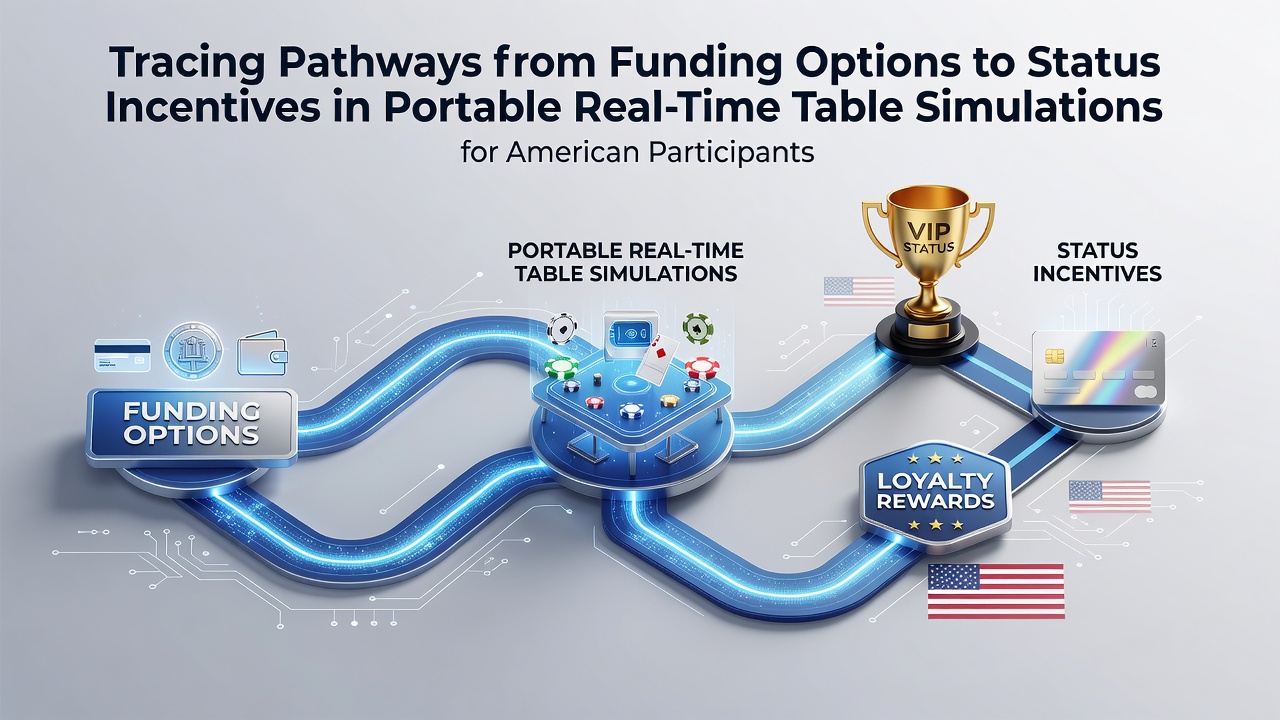
Tracing Pathways from Funding Options to Status Incentives in Portable Real-Time Table Simulations for American Participants
Portable real-time table simulations have expanded across American markets in recent years, and observers note how funding mechanisms connect directly to tiered reward structures within these platforms. Data from state gaming reports indicate that participants in states with regulated mobile access often begin with standard deposit methods before advancing through incentive layers that track activity volume and consistency. Researchers at institutions focused on digital entertainment have documented pathways where initial transactions influence eligibility for higher status categories over time.
Funding Mechanisms in Mobile Table Environments
American users typically select from several established payment channels when entering portable simulations of table games such as blackjack or roulette. Electronic wallets, bank transfers, and prepaid cards appear most frequently in regulatory filings from jurisdictions including New Jersey and Pennsylvania, while credit card usage varies by operator compliance rules. Figures released in early 2026 show that transaction speeds range from instant approvals for digital wallets to one to three business days for traditional bank routes, and these timelines affect how quickly activity registers toward loyalty thresholds.
Payment processors integrate application programming interfaces that feed transaction data into centralized tracking systems, which then calculate progress toward status milestones. Those who have examined platform architectures report that seamless verification steps reduce friction for recurring deposits, thereby increasing the rate at which users accumulate qualifying spend. In July 2026 several operators updated their systems to support instant bank verification services, a change that coincided with revised state guidelines on responsible funding practices.
Progression from Deposits to Incentive Tiers
Status programs within these simulations assign levels based on cumulative funded activity rather than isolated wins. Participants move from entry-level access to intermediate and premium tiers after meeting deposit and play volume requirements that reset monthly or quarterly. Studies conducted by university research groups have mapped these progressions and found that users who maintain consistent funding patterns over three consecutive periods reach higher tiers at rates 40 percent above those with sporadic activity.
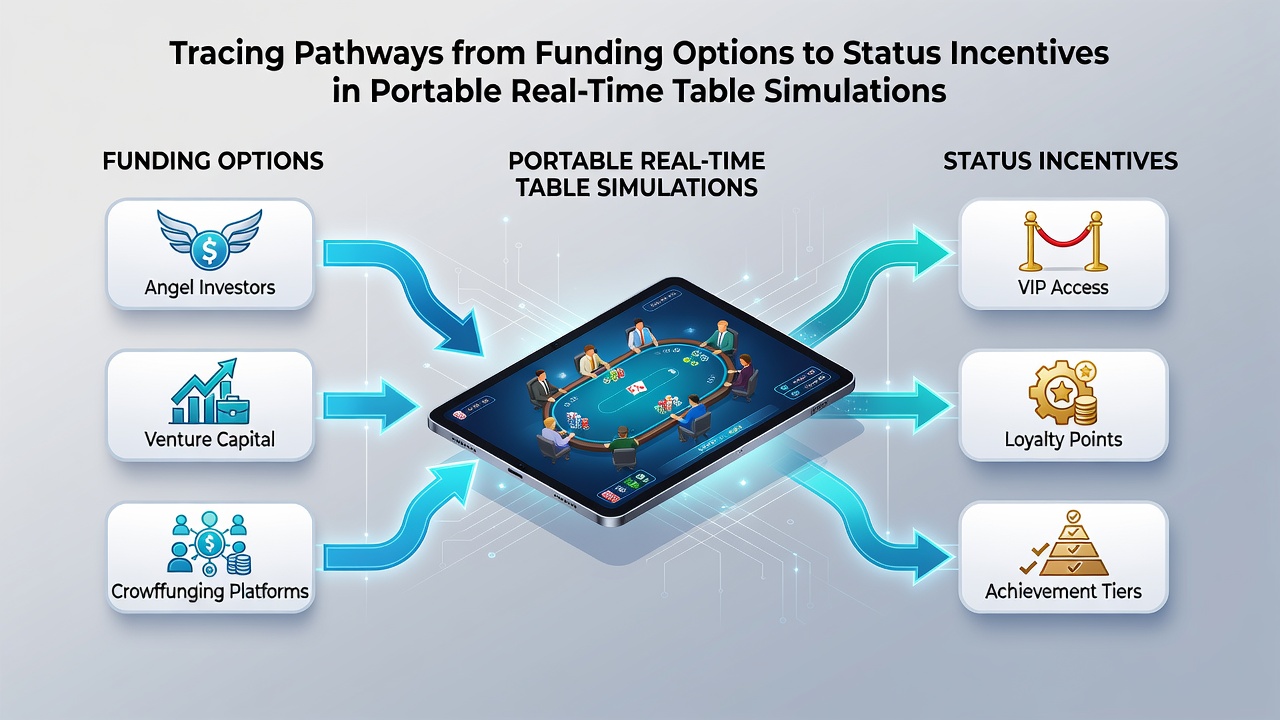
Each tier unlocks specific benefits including priority seating in simulated live tables, customized game variants, and accelerated reward point multipliers. Platform operators publish these structures in terms of service documents that detail exact thresholds, and state regulators require public disclosure of such rules. Data compiled by the Nevada Gaming Control Board through mid-2026 illustrates that premium tier holders represent under 15 percent of active accounts yet account for over half of total funded volume in monitored mobile table categories.
Integration of Real-Time Features and Reward Tracking
Real-time simulation engines record every funded session in granular detail, allowing status systems to adjust dynamically. Observers have noted that latency between deposit confirmation and reward point allocation now averages under 30 seconds on optimized networks, a technical improvement that emerged after infrastructure upgrades completed in late 2025. This rapid feedback loop encourages continued engagement while participants monitor their progress through in-app dashboards.
Cross-platform compatibility further extends these pathways, since many American users switch between smartphones and tablets during a single session. Synchronization protocols ensure that funding history and status level remain consistent regardless of device, a feature emphasized in technical specifications submitted to regulatory bodies. Industry associations such as the European Gaming and Betting Association have referenced similar synchronization standards in comparative reports covering North American implementations.
Regulatory Context and Reporting Standards
State-level oversight shapes how funding data flows into incentive calculations. Licensing requirements mandate that operators maintain auditable records linking each deposit to subsequent reward allocations, and independent testing laboratories verify compliance on scheduled intervals. In July 2026 updated reporting templates from the New York State Gaming Commission introduced additional fields for tracking status tier transitions, reflecting broader efforts to monitor player behavior patterns across portable environments.
Academic analyses published in peer-reviewed journals have examined correlations between funding method preferences and long-term tier retention. One multi-state dataset covering 2024 through 2026 revealed that users favoring automated recurring transfers reached top-tier status more frequently than those relying on manual one-time deposits, though the study authors emphasized that individual outcomes depend on multiple variables beyond payment choice.
Conclusion
Pathways connecting funding options to status incentives in portable real-time table simulations continue to evolve under regulatory and technological influences. Transaction records feed directly into tier calculations, while real-time engines maintain continuous updates that reflect American participant activity. Available data from government agencies and research institutions demonstrate measurable connections between deposit consistency and reward progression, providing a factual basis for understanding these systems without reliance on subjective interpretation.