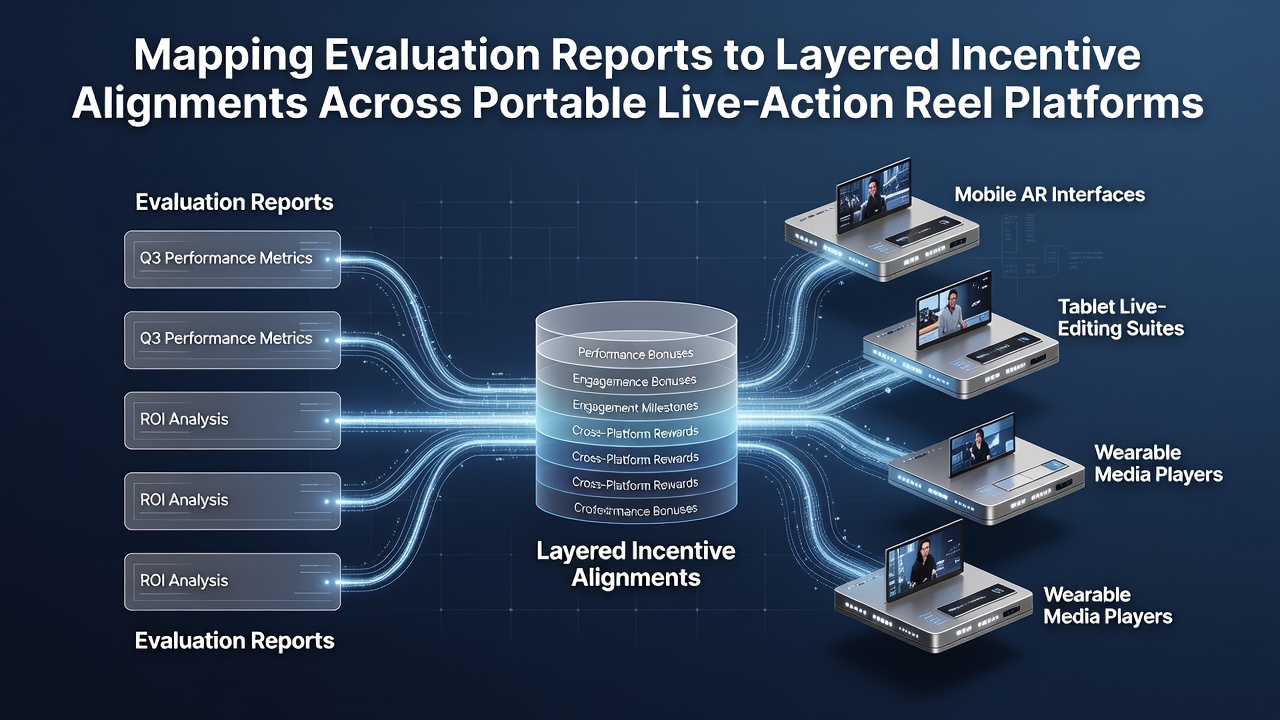
Mapping Evaluation Reports to Layered Incentive Alignments Across Portable Live-Action Reel Platforms
Evaluation reports serve as foundational documents that organizations use to assess performance metrics across portable live-action reel platforms, and these reports connect directly to layered incentive alignments that adjust rewards based on user engagement levels and content delivery outcomes. Data from industry analyses shows that such mappings allow developers to synchronize feedback loops with reward tiers, creating structures where real-time video interactions trigger progressive benefits like enhanced visibility or resource allocations. Observers note that portable platforms, which operate on mobile devices and support live reel features, require these alignments because user behaviors shift rapidly during sessions that combine streaming with interactive elements.
Core Components of Evaluation Reports in Live Reel Environments
Evaluation reports typically compile quantitative indicators such as session duration, viewer retention rates, and interaction frequency, while they also incorporate qualitative assessments of content quality and technical stability. Researchers have found that when these reports feed into incentive systems, the resulting alignments operate in layers where base rewards activate upon meeting minimum thresholds and additional layers unlock through sustained performance across multiple sessions. This process becomes evident in platforms that track live-action reels, as the data reveals patterns where high-engagement periods correlate with expanded access to promotional tools or algorithmic prioritization. Studies indicate that June 2026 saw increased adoption of these mapping techniques among developers focused on wireless ecosystems, driven by the need to maintain consistent user bases amid growing competition in mobile video services.
Layered Incentive Structures and Their Integration Points
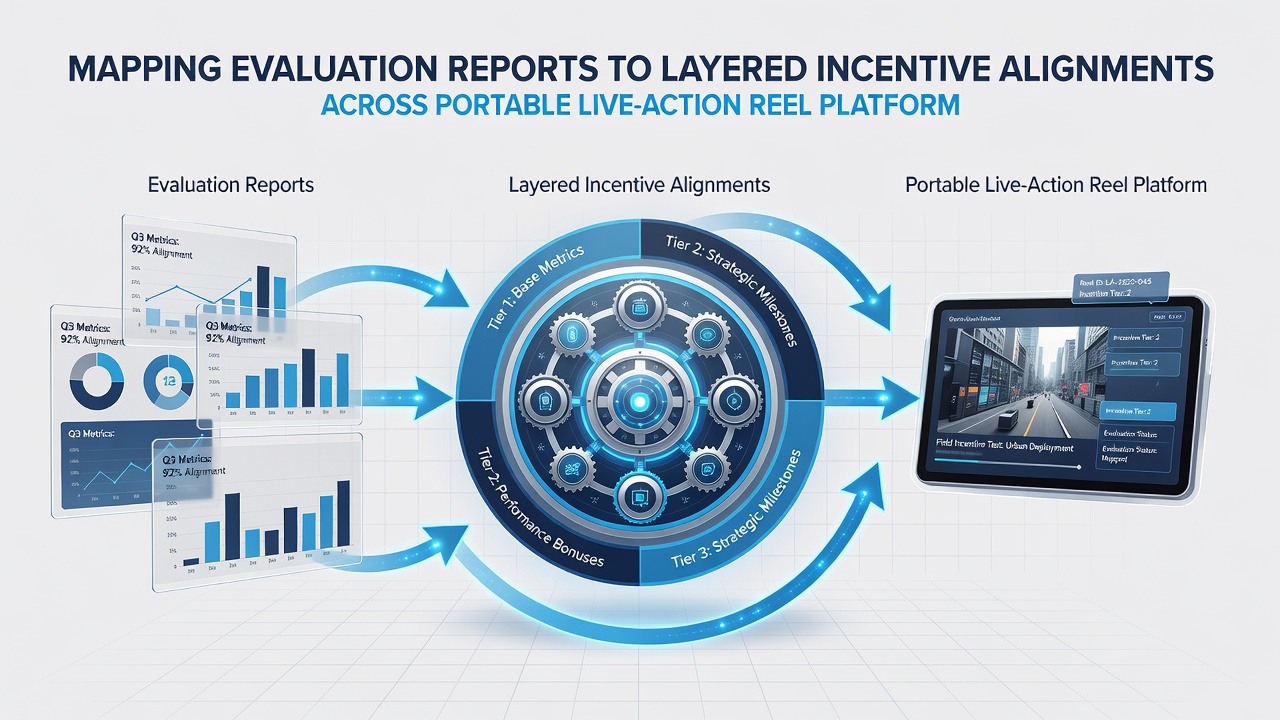
Layered incentives function through distinct tiers that respond to mapped data points, beginning with entry-level alignments that offer standard visibility boosts and progressing to advanced layers that provide collaborative features or revenue shares. According to reports from the Australian Communications and Media Authority, portable platforms benefit when evaluation outputs directly inform these tiers, reducing mismatches between reported performance and delivered rewards. The integration occurs at key points including post-session analysis phases and during ongoing live streams, where automated systems adjust incentives based on incoming report segments. Experts have observed that this approach supports scalability because each layer builds upon verified data rather than static assumptions, allowing platforms to adapt as user patterns evolve in regions with varying network conditions.
Practical Implementation Across Mobile Frameworks
Implementation starts with data extraction from evaluation reports, which teams then categorize into alignment matrices that define incentive triggers for each layer. One case study revealed that a development group in Canada integrated these matrices into their reel platform by linking retention metrics to tiered access rights, resulting in measurable increases in session continuity. Portable devices introduce variables such as battery constraints and connectivity fluctuations, so mappings account for these by weighting report elements differently across layers. Data shows that platforms applying this method in June 2026 achieved better synchronization between live interactions and reward distributions, particularly when incorporating feedback from diverse user demographics.
Data Mapping Techniques and Platform Adaptations
Mapping techniques rely on structured protocols that translate report categories into incentive parameters, using relational databases to match specific metrics with corresponding reward levels. Those who've studied this process note that adaptations for portable environments often include mobile-specific filters, such as prioritizing low-latency data streams during live reel broadcasts. Evidence from academic sources at institutions like the University of Melbourne highlights how these techniques maintain alignment integrity even when platforms scale to accommodate fluctuating user volumes. The reality is that without precise mappings, incentive layers risk misalignment, which can lead to underutilized features in wireless settings where engagement depends on timely reward responses.
Further refinements occur through iterative testing cycles, where platforms review mapped outcomes against actual user responses and adjust layer thresholds accordingly. Research indicates that such cycles, when applied consistently, support sustained platform growth by aligning incentives more closely with evaluation findings across global deployments. What's interesting is the role of cross-regional data comparisons, as platforms draw from varied sources to refine their approaches without relying on single-market assumptions.
Conclusion
Mapping evaluation reports to layered incentive alignments provides portable live-action reel platforms with systematic methods for connecting performance data to reward mechanisms. Through structured integration, these processes enable adaptive responses to user activity while accounting for the technical demands of mobile environments. Continued examination of these alignments, supported by regulatory and academic inputs, contributes to refined operational models that address evolving platform requirements.