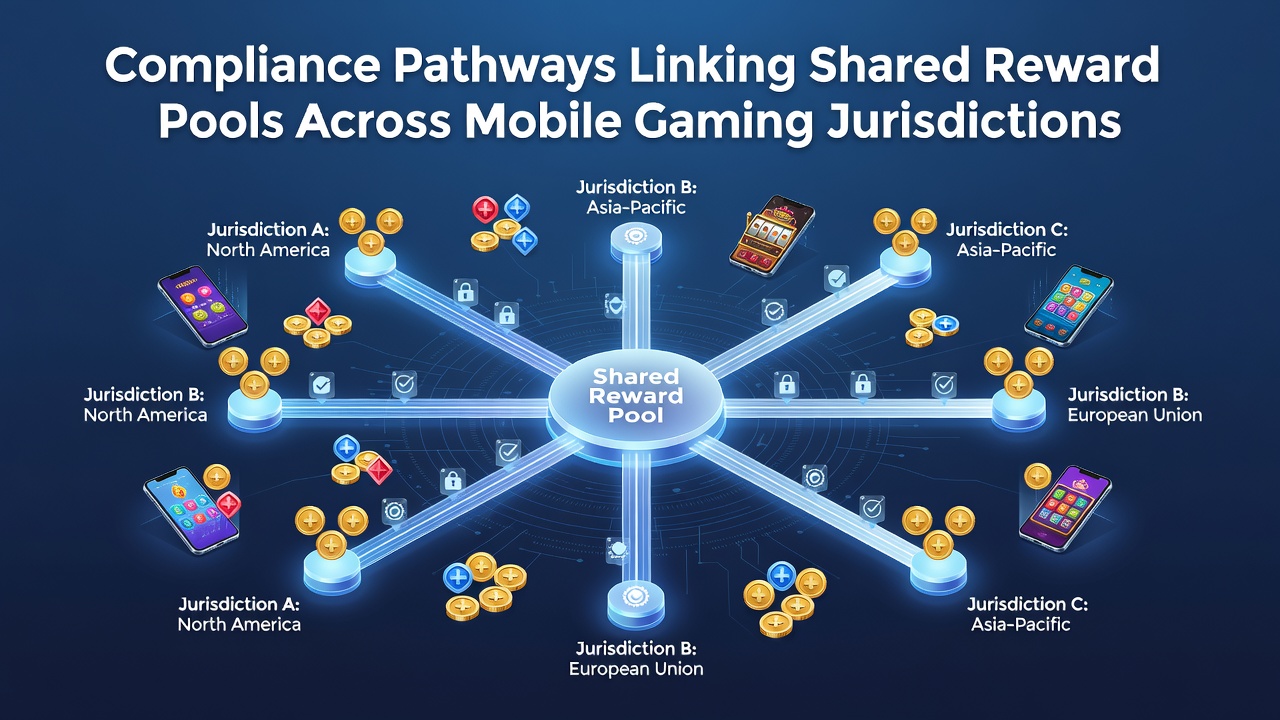
Compliance Pathways Linking Shared Reward Pools Across Mobile Gaming Jurisdictions
Shared reward pools in mobile gaming connect progressive jackpots, loyalty bonuses, and accumulated prize structures that span multiple operators and geographic regions, and regulatory bodies have developed distinct compliance pathways to manage these systems while maintaining legal separation between jurisdictions. Data from industry reports indicate that operators must navigate varying licensing requirements, tax structures, and player protection rules when linking reward pools across borders, and recent figures reveal growing adoption of standardized reporting protocols in several key markets.
Core Elements of Shared Reward Pools in Mobile Environments
Mobile gaming platforms aggregate contributions from player wagers into centralized pools that fund larger prizes, yet each participating jurisdiction enforces its own allocation formulas and audit trails to prevent cross-border fund commingling. Observers note that these pools often rely on real-time transaction monitoring systems which flag any activity crossing regulatory boundaries, and software providers integrate geolocation checks alongside pool contribution logic to satisfy multiple oversight bodies simultaneously. Research indicates that successful implementations depend on modular architecture allowing operators to segregate funds according to local rules without disrupting the overall reward calculation engine.
Regulatory Frameworks Across Major Regions
North American jurisdictions approach shared pools through state-by-state or province-by-province licensing, with bodies such as iGaming Ontario requiring separate escrow accounts for Canadian players even when pools draw from international contributors. In contrast, several European markets coordinate through directives that emphasize consumer safeguards and financial transparency, while Asian regulators focus on strict capital controls and revenue repatriation rules that affect how pooled funds move between operators. Those who have examined these systems find that compliance pathways frequently involve bilateral agreements allowing mutual recognition of audits, which reduces duplication while preserving each regulator's authority over local player funds.
Technical Mechanisms Supporting Cross-Jurisdictional Links
Developers deploy API gateways that tag every contribution with jurisdiction-specific metadata, enabling automatic routing of funds into compliant sub-accounts before any prize distribution occurs. Blockchain-based ledgers appear in some implementations to create immutable records of pool activity that multiple regulators can access independently, and encryption standards ensure that player data remains isolated according to each region's privacy statutes. Figures reveal that platforms using these layered verification steps report fewer compliance incidents during routine inspections, particularly when handling multi-jurisdiction progressive features that update across time zones.
Developments Observed Through July 2026
By July 2026 several operators had expanded shared reward pool participation to include additional U.S. states that recently authorized mobile gaming, and regulatory updates in those markets introduced standardized contribution reporting templates aligned with existing Canadian and select European formats. Industry organizations documented increased use of third-party compliance platforms that automate rule checks across jurisdictions, and data shows these tools have shortened approval timelines for new pool linkages from months to weeks in select cases. Experts have observed that ongoing harmonization efforts focus on aligning tax withholding procedures and anti-money laundering thresholds rather than unifying prize structures outright.
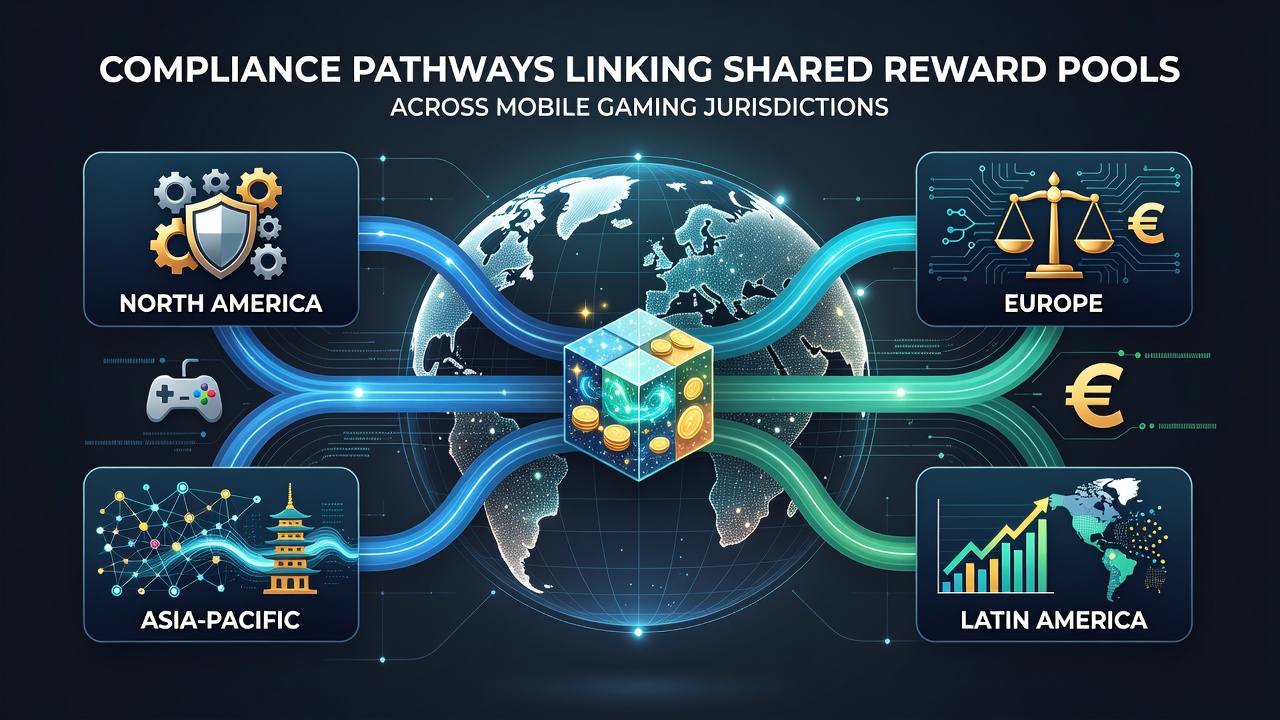
Take one operator who expanded a progressive slot network into two new jurisdictions during this period; the company routed contributions through separate compliance modules that satisfied each regulator's audit requirements while maintaining a unified player-facing prize display. Such examples illustrate how technical segmentation supports broader pool participation without triggering enforcement actions.
Challenges and Established Solutions
Operators encounter difficulties when jurisdictions update their rules at different intervals, which can create temporary mismatches in how pooled funds are calculated or distributed. Solutions include dynamic rule engines that apply the strictest applicable standard across all connected markets until local updates propagate through the system, and regular multi-jurisdictional working groups have emerged to share best practices on data formatting and reconciliation procedures. According to reports from the American Gaming Association, collaborative testing environments allow operators to simulate cross-border pool activity before live deployment, reducing the risk of regulatory breaches during expansion phases.
Another pathway involves third-party certification bodies that conduct unified audits covering multiple jurisdictions at once, provided each regulator has pre-approved the auditor's methodology. This approach has gained traction in markets where resource constraints limit the frequency of on-site inspections, and evidence suggests it improves consistency in how shared reward calculations are verified across borders.
Conclusion
Compliance pathways for shared reward pools continue to evolve through incremental alignment of technical standards, audit procedures, and reporting formats rather than wholesale regulatory merger. Jurisdictions maintain independent oversight while enabling operators to link pools efficiently, and ongoing developments through mid-2026 demonstrate practical progress in reducing administrative friction. Those monitoring these systems note that sustained cooperation between regulators and industry participants remains essential for scaling mobile gaming reward structures across additional markets.