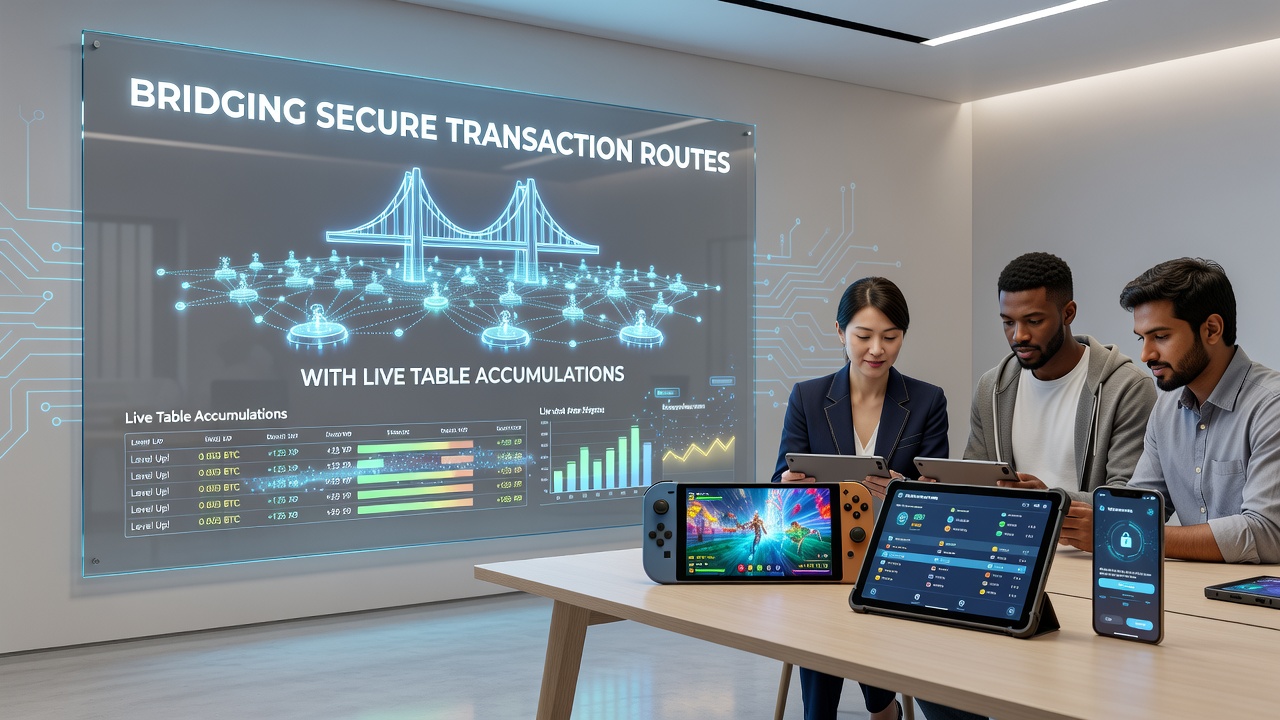
Bridging Secure Transaction Routes With Live Table Accumulations in Portable Gaming Ecosystems
Secure transaction routes now connect directly with live table accumulations inside portable gaming ecosystems, adn developers route encrypted data streams through multiple verification layers while progressive totals update in real time on mobile screens. Players access these systems through dedicated applications that maintain continuous links to central servers, and operators in several jurisdictions report steady growth in live dealer participation during the first half of 2026.
Core Technical Integration Methods
Engineers combine tokenization protocols with live streaming feeds so that every wager placed at a virtual table immediately adjusts the accumulating prize pool without exposing sensitive account details. Data centers process these updates through redundant pathways that reroute traffic automatically when one channel experiences latency, and this architecture keeps transaction times under two seconds on most 5G networks. Regulatory filings from the New Jersey Division of Gaming Enforcement show that certified platforms must demonstrate end-to-end encryption standards before receiving approval for progressive features.
Regional Regulatory Frameworks in Mid-2026
Authorities across North America and parts of Asia continue to refine rules that govern how funds move between player wallets and live table accumulations. In August 2026 several state regulators updated their technical appendices to require multi-factor authentication for any mobile session that contributes to a shared jackpot, while Australian state gaming commissions published updated guidelines on cross-border data handling for portable devices. Observers note that these changes align with existing payment service directives in the European Union, creating more consistent expectations for operators who serve international users.
Payment Gateway Architecture
Modern gateways separate the authorization step from the settlement step, allowing the live table system to confirm a wager before the actual funds transfer completes. This separation reduces the risk of interrupted accumulations when network conditions fluctuate, and developers incorporate fallback mechanisms that store encrypted transaction tokens locally until connectivity returns. Industry reports indicate that platforms using these layered gateways record fewer declined transactions during peak evening hours compared with single-path systems.
Live Table Accumulation Mechanics
Each participating table contributes a fixed percentage of every qualifying bet to a central meter that displays updated totals across all connected mobile clients, and the meter resets only after a qualifying win triggers according to predefined probability tables. Software monitors seed values and contribution rates in compliance with jurisdictional minimums, ensuring the displayed accumulation always reflects verified activity. One documented case from a certified European supplier showed that synchronized meters across three continents maintained identical figures within a one-second tolerance during a three-hour stress test.
Security Protocols and Data Flow
Encryption standards such as TLS 1.3 protect the route between the mobile device and the game server, while hardware security modules store private keys that sign each transaction record. Auditors examine these modules during annual reviews, and findings from the Canadian Gaming Association’s 2025 technical symposium highlighted measurable reductions in replay attack attempts after widespread adoption of session-specific nonces. Operators also implement behavioral analytics that flag unusual wagering patterns before they affect the accumulation meter, adding another verification layer without delaying gameplay.
Future Compatibility Considerations
Portable ecosystems continue to incorporate new device types, and developers test transaction routes against emerging standards for wearable interfaces and cloud-based rendering. Compatibility testing in August 2026 focused on ensuring that progressive totals remain synchronized when players switch between smartphones and tablets mid-session. Research papers from university engineering departments have examined latency budgets required to keep live table feeds aligned with financial ledgers across these device transitions.
Conclusion
Secure transaction routes and live table accumulations now operate as interdependent components within portable gaming ecosystems, supported by layered encryption, regulatory oversight, and continuous monitoring. Figures from multiple oversight bodies confirm that properly integrated systems maintain both player fund integrity and accurate prize pool growth across regions. Ongoing technical refinements address device diversity and network variability while preserving compliance with evolving standards.