Analyzing Integration Points Between Payment Gateways and Dealer-Hosted Progressive Systems in App-Based Platforms
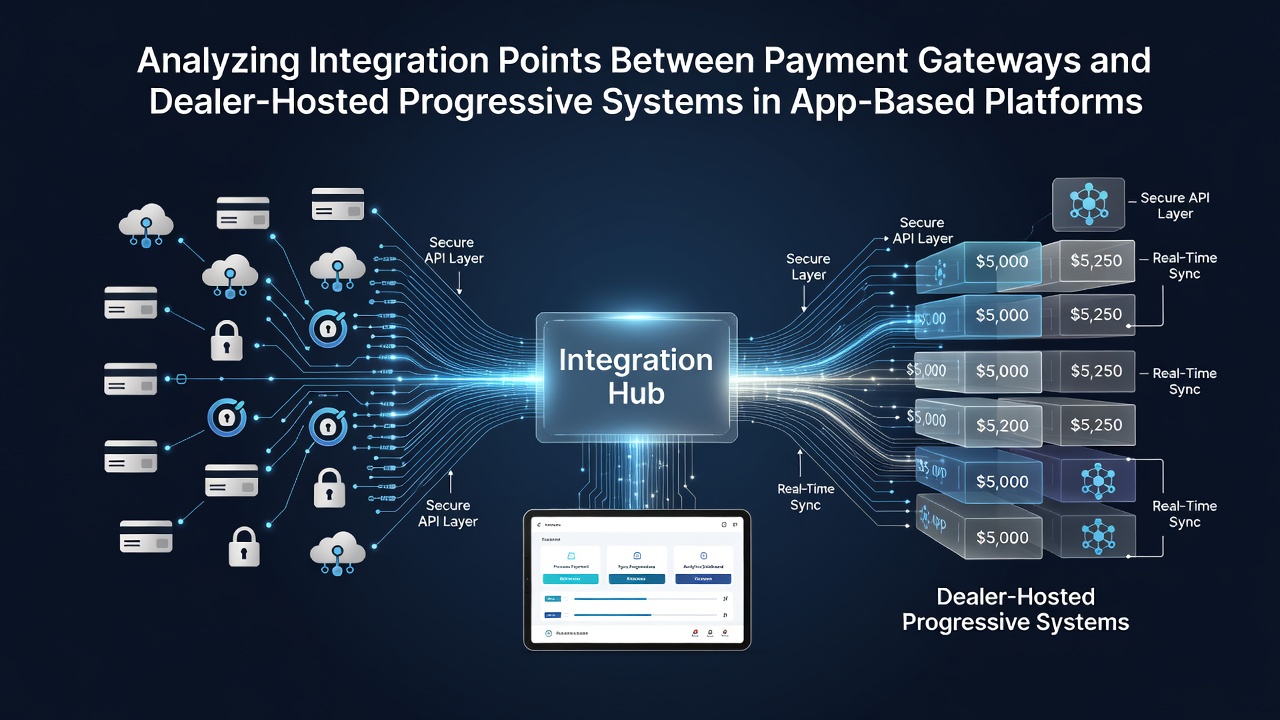
Payment gateways handle transaction processing while dealer-hosted progressive systems track accumulating jackpots across live dealer tables in app-based platforms, and integration points between these elements determine how funds move into prize pools and how payouts occur after wins. Researchers examining these systems note that data flows must remain synchronized so player contributions update jackpot meters in real time while payment confirmations trigger game eligibility. Observers point out that app environments add layers of mobile-specific requirements such as session persistence and push notification triggers that differ from desktop implementations.
Core Components in the Integration Landscape
Payment gateways connect to backend servers through standardized APIs that authenticate transactions and return status codes within milliseconds, whereas dealer-hosted progressive systems rely on dedicated controllers that monitor table activity and calculate contributions from each bet. Those who have studied these architectures find that the handshake between the two occurs at several junctions including deposit verification, bet deduction, and jackpot allocation. Data indicates that successful integration requires shared identifiers so a single player session links a payment record directly to a progressive meter without manual reconciliation steps. App-based platforms introduce additional variables because mobile operating systems impose restrictions on background processes and network calls. Experts analyzing these constraints report that developers often implement local caching mechanisms that sync with central servers once connectivity resumes, and this approach prevents jackpot contributions from being lost during brief signal interruptions common in wireless environments.
Primary Integration Touchpoints
Transaction initiation marks the first major point where payment gateways interact with progressive logic because a deposit must clear before any bet can feed the jackpot pool. Systems route these requests through encrypted channels that carry both payment details and game session tokens, allowing the progressive controller to recognize eligible wagers immediately upon confirmation. Bet placement represents the second critical junction as the app deducts the wager amount and simultaneously signals the progressive system to increment the meter by the configured percentage. Research indicates that latency at this stage directly affects player experience since delays can cause visible meter updates to lag behind actual play. Payout processing forms the third integration area where a triggered jackpot must interface with the payment gateway to deliver funds according to regulatory timelines. Data from operational reviews shows that automated reconciliation routines compare the jackpot amount against available balances before initiating transfers, and this step reduces discrepancies that might otherwise require manual intervention.
Security and Compliance Mechanisms
Encryption protocols protect data moving between payment gateways and progressive controllers because both financial records and jackpot values fall under strict oversight. Those reviewing implementations note that tokenization replaces sensitive card information with temporary references that the progressive system never stores directly, thereby limiting exposure if either component faces a breach. Audit trails capture every transaction that touches a progressive meter so regulators can verify that contributions match reported handle and that payouts align with published rules. Industry reports from sources such as the
Nevada Gaming Control Board document how these logs support periodic examinations without disrupting live operations.
Operational Considerations in July 2026
Updates rolled out during July 2026 introduced refined API versioning requirements that forced several platforms to adjust how payment confirmations reach progressive controllers. Figures from monitoring services reveal that platforms adopting the new schema experienced faster meter updates and fewer reconciliation errors compared with those still using legacy endpoints. Mobile network conditions during peak hours also influenced performance because dealer-hosted tables generate continuous data streams that payment gateways must acknowledge without throttling. Observers tracking these patterns found that edge computing nodes placed near regional data centers helped maintain synchronization when player volumes spiked.
Testing and Validation Approaches
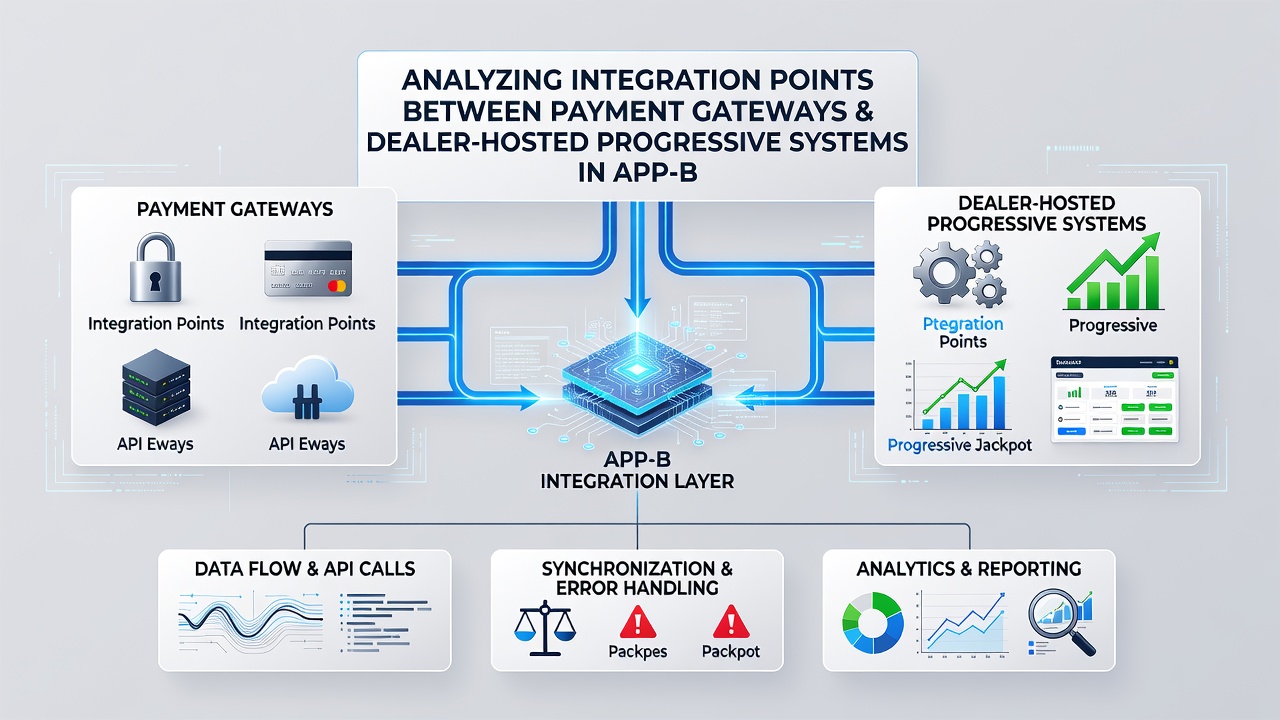
Integration teams employ staged testing environments that simulate payment failures and network drops to verify progressive meter behavior under stress. Data shows that scenarios involving partial transaction reversals require the progressive system to roll back contributions accurately while preserving audit integrity. Load testing further examines how concurrent jackpot triggers across multiple tables affect payment queue processing, and results indicate that prioritized queuing prevents high-value payouts from being delayed by routine deposit traffic.
Conclusion
Integration points between payment gateways and dealer-hosted progressive systems in app-based platforms center on synchronized data exchange at deposit, bet, and payout stages, with security measures and testing protocols ensuring consistent operation. Continued monitoring of these connections supports reliable performance as platforms evolve to meet shifting technical and regulatory demands.