
Alabama Gaming Package Falls One Vote Short in Senate
Alabama lawmakers watched their latest attempt at regulated gaming slip away when House Bills 151 and 152 failed to clear the Senate by a single vote during the regular session. The package would have created an Alabama Gaming Commission, authorized up to seven casino-style facilities, and introduced sports betting alongside a statewide lottery, yet the measure expired without a special session call.
Proponents had projected annual revenue between $935 million and $1.2 billion once operations reached full scale, with funds earmarked for education and infrastructure programs. Data from earlier fiscal analyses showed similar Southeast states capturing comparable returns after legalization, though Alabama's tribal casinos would have remained outside the new regulatory framework.
Details of the Proposed Legislation
HB 151 focused on establishing the regulatory commission and outlining licensing procedures for the limited casino sites, while HB 152 addressed lottery operations and sports wagering rules. Both measures advanced through the House with comfortable margins before reaching the upper chamber, where negotiations centered on local control provisions and tax allocation formulas.
Observers note that the single-vote shortfall occurred after several senators raised concerns over enforcement costs and the timeline for opening new venues. The bills required approval in both chambers before the session adjourned, and no special session followed to revisit the package.
Projected Economic Effects
State revenue forecasts placed the combined gaming activities at the upper end of Southeast market performance, driven by Alabama's population base and proximity to existing tribal operations. Figures released during committee hearings indicated that licensing fees and tax receipts could begin flowing within 18 months of enactment, assuming swift commission formation and operator selection.
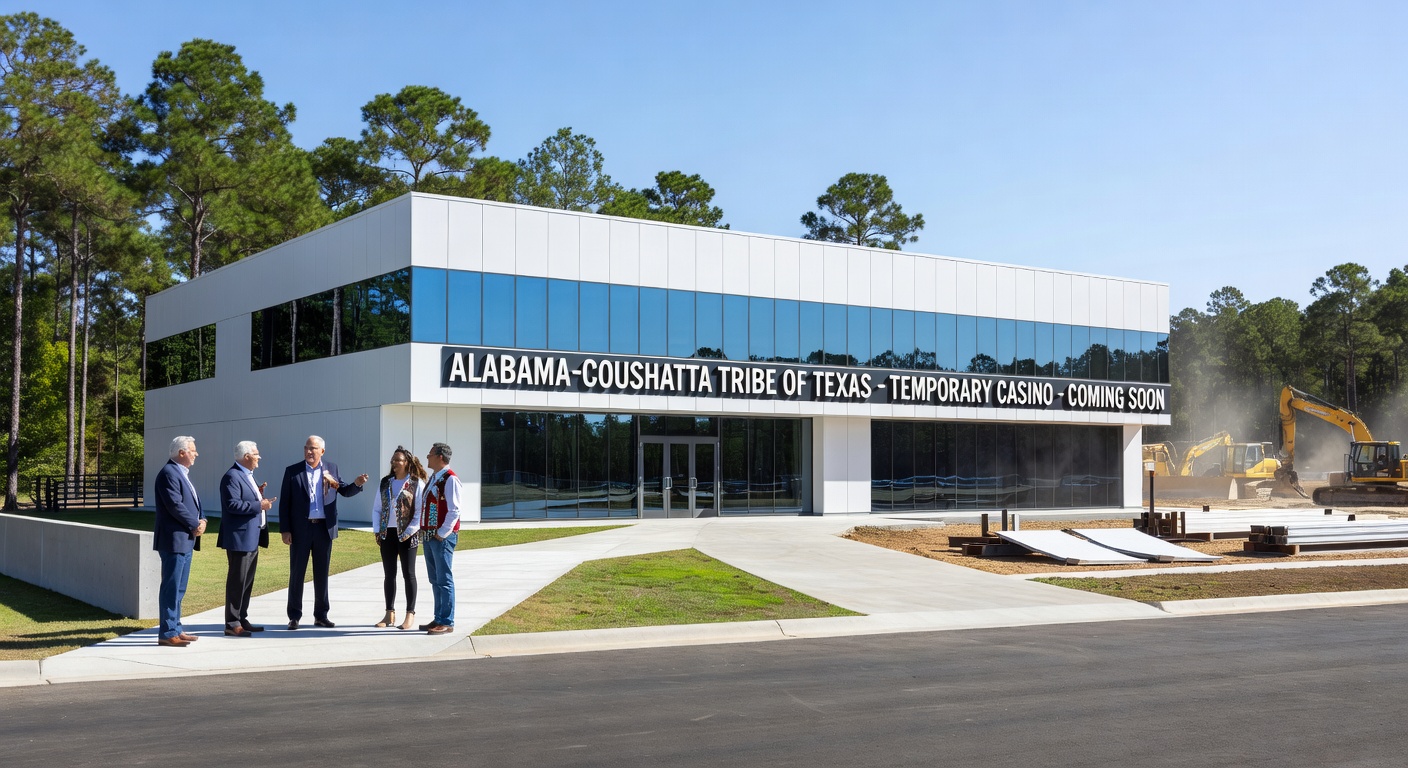
Those projections also accounted for competition from neighboring states that already permit sports betting and lotteries, yet analysts maintained that Alabama's lack of commercial casinos outside tribal lands created an opening for controlled expansion. The bills explicitly preserved existing tribal gaming compacts while adding state oversight for new sites.
Current Status After Session End
With the regular session concluded and no special session scheduled, the proposed Alabama Gaming Commission remains unformed and the authorization for seven casino-style establishments lapses. Sports betting and lottery sales therefore stay unavailable through state channels, leaving only the current tribal facilities operational under prior agreements.
Legislative records show the Senate vote occurred in the final weeks of the session, after which sponsors indicated they would monitor interim studies before deciding on future action. As of August 2026, no new bills have been pre-filed for the next regular session, and the revenue estimates tied to the failed package have not materialized.
Comparison With Regional Markets
Neighboring states that passed similar frameworks earlier reported steady collections once facilities opened, according to data compiled by the National Conference of State Legislatures. Alabama's package mirrored several of those structures, including centralized licensing and dedicated education funding streams, yet procedural timing prevented final passage.
Industry reports from state legislative tracking sources highlight how timing and vote margins often determine outcomes in gaming legislation across the region. Alabama's single-vote margin aligns with several close calls documented in other jurisdictions during initial attempts.
Conclusion
The failure of HB 151 and HB 152 leaves Alabama without expanded commercial gaming options beyond its existing tribal casinos, with teh projected revenue stream now deferred to future legislative efforts. The Alabama Gaming Commission concept and the seven-facility limit both expire with the bills, shifting attention to whatever proposals may surface in the next session cycle.