
Alabama-Coushatta Tribe Plans Temporary Casino Opening on East Texas Land This Summer
The Recent Announcement Signals New Gaming Activity
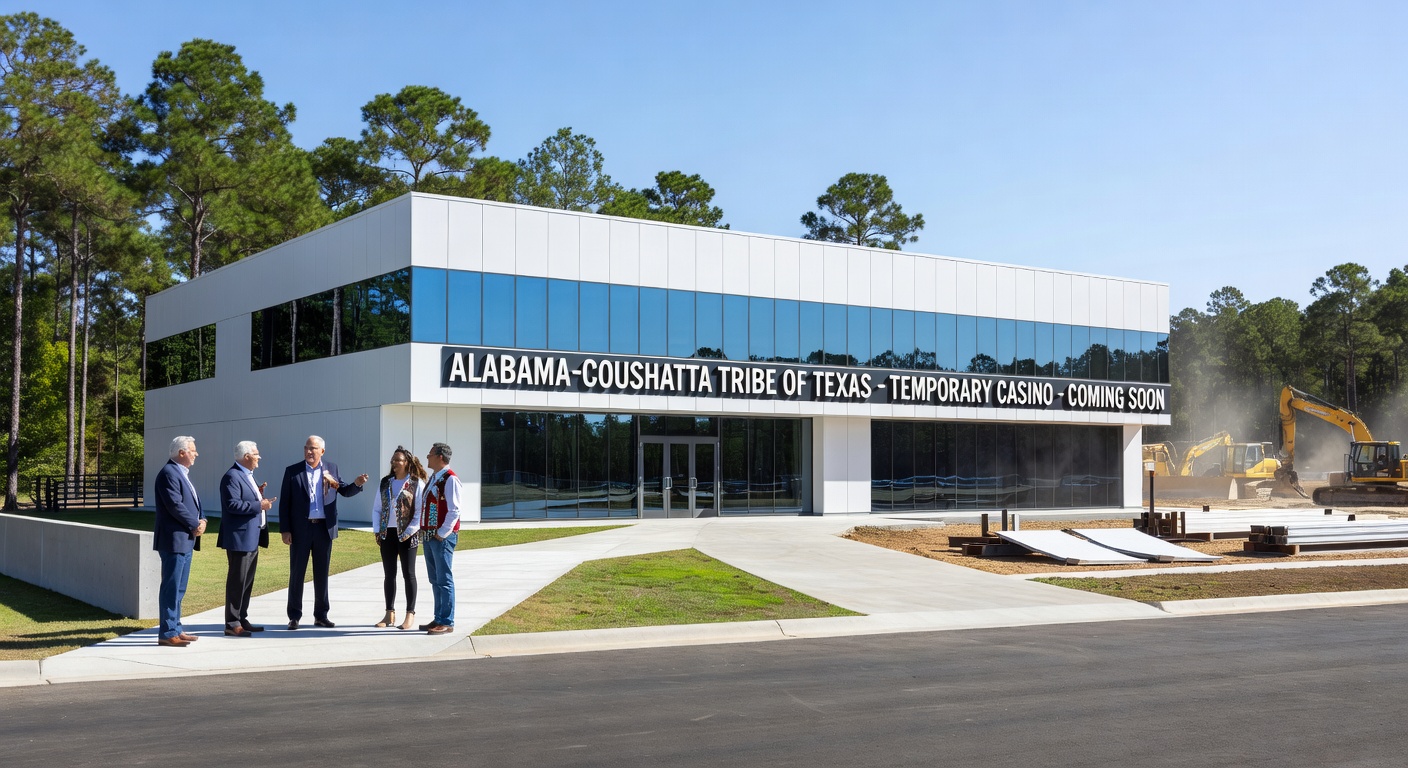
Leaders of the Alabama-Coushatta Tribe of Texas revealed plans this spring to launch a temporary casino on tribal land in Leggett, a rural spot tucked into East Texas; the facility aims to open operations this summer, drawing attention from gaming advocates across the state. According to reports from The Texan News, the project moves forward with a groundbreaking ceremony set for June 18, marking a concrete step toward expanded gaming on sovereign territory. And while Texas maintains some of the nation's strictest gambling limits outside tribal venues, this development arrives just as proponents ramp up efforts for broader legalization ahead of the next legislative session.
What's interesting about this move lies in its timing; with sessions looming and public discourse heating up around casino expansions, the tribe positions itself at the forefront of what's becoming a pivotal debate. Observers have long noted how tribal nations leverage federal laws like the Indian Gaming Regulatory Act of 1988 to operate Class II and III gaming without state interference, and here the Alabama-Coushatta follow that playbook precisely.
Background on the Alabama-Coushatta Tribe and Its East Texas Holdings
The Alabama-Coushatta Tribe traces its roots to alliances formed centuries ago between Alabamu and Coushatta peoples, who migrated to Texas in the early 1800s and received federal recognition in 1965; today, their reservation spans about 10,500 acres near Livingston in Polk County, though the Leggett site falls within their broader trusted lands in Houston and Trinity counties. Data from the National Indian Gaming Commission highlights how such tribes sustain economic self-reliance through gaming, generating revenue that funds health services, education, and infrastructure since many first opened bingo halls in the 1990s.
Take the tribe's prior ventures: they've operated the Naskila Gaming venue nearby since 2016, featuring electronic bingo machines under Class II rules, but legal challenges from Texas authorities led to its closure in 2019 amid disputes over whether devices qualified as bingo or slots. That setback, resolved through federal court affirmations of tribal sovereignty, set the stage for this temporary casino; now, with clearer boundaries, leaders emphasize compliance while pushing boundaries on what gaming can mean for their community.
Details of the Temporary Facility Take Shape
The upcoming casino promises round-the-clock access, operating 24 hours daily to cater to players from Houston, just a couple hours west, and farther afield; at its core, 300 bingo machines will anchor the floor, echoing the tribe's history with Class II games that skirt Texas' constitutional ban on most casino-style wagering. Groundbreaking kicks off June 18 with a public ceremony, inviting tribal members, locals, and stakeholders to witness shovels turn earth on what amounts to a pop-up gaming hub designed for quick deployment and revenue flow.
But here's the thing: temporary doesn't mean small-scale; reports indicate the setup mirrors successful tribal models elsewhere, where modular buildings house machines linked to progressive jackpots or networked bingo systems, all regulated under the National Indian Gaming Commission's oversight to ensure fairness and tribal control. People who've tracked East Texas gaming point out how such facilities often start modest, then evolve based on turnout, especially as summer tourism swells along nearby Lake Livingston.
Texas Gambling Landscape Provides Key Context
Texas enforces tight reins on gambling, allowing only the state lottery, charitable bingo, horse and greyhound racing with pari-mutuel betting, and tribal gaming under compacts or federal law; no commercial casinos exist statewide, a stance rooted in the 1999 constitutional amendment that greenlit the lottery but stopped short of slots or tables. Yet, amid pushes from figures like Lt. Gov. Dan Patrick and business coalitions, bills surface regularly to authorize up to 18 destination resorts, potentially rivaling Las Vegas or Oklahoma's tribal giants just across the Red River.
This Alabama-Coushatta announcement coincides with that momentum; as of May 2026, advocacy groups circulate studies showing billions in untapped tax revenue, while neighboring states like Louisiana boast over $2 billion annually from riverboats and land-based spots. Experts who've analyzed Texas' economy note how tribal projects like this one fill gaps, creating jobs—often hundreds per venue—and funneling proceeds back into local communities without straining state coffers.
Economic Ripples and Community Impact Emerge
For the tribe, numbering around 1,200 members, gaming stands as a lifeline; figures from the National Indian Gaming Commission reveal U.S. tribal casinos collectively pulled in $39 billion in gross gaming revenue last year, with Texas tribes contributing through venues like the Kickapoo Lucky Eagle near Eagle Pass. The Leggett temporary casino, though interim, promises similar boosts: construction alone spurs short-term hires, while operations demand dealers, technicians, security, and hospitality staff, many drawn from Polk and Trinity counties where unemployment lingers above national averages.
Locals anticipate spillover too; diners, fuel stops, and motels along U.S. Highway 59 stand to gain as visitors trickle in, much like patterns observed at the tribe's FireLake Golf Club or annual powwows that already draw crowds. And since the facility stays temporary—likely a one-to-three-year bridge—tribal council members frame it as a test bed, gathering data on player habits, machine performance, and revenue streams to inform permanent builds or compact negotiations.
Regulatory Framework and Legal Safeguards Underpin the Project
Federal law via the Indian Gaming Regulatory Act empowers tribes to conduct Class II gaming—like bingo and pull-tabs—anywhere on reservation lands without state approval, whereas Class III requires compacts; the Alabama-Coushatta stick to Class II here, sidestepping Texas' reluctance on full casinos. Observers recall the 2021 federal appeals court ruling upholding Naskila Gaming's bingo status, a win that emboldened this push despite Attorney General Ken Paxton's ongoing scrutiny of gray-market machines statewide.
That's where the rubber meets the road for sustainability; the National Indian Gaming Commission mandates audits, background checks, and revenue allocation plans, ensuring proceeds benefit tribe-wide programs from elder care to youth scholarships. So as groundbreaking nears in mid-June, all eyes turn to how this temporary venture navigates enforcement, especially with May 2026 whispers of legislative audits on tribal-state gaming dynamics.
Looking Ahead to Summer Opening and Beyond
Once doors swing open this summer, the casino joins a sparse but growing roster of Texas gaming options, complementing spots like the Lucky Eagle and Speaking Rock near El Paso; marketing likely targets Gulf Coast retirees and Houston weekenders, leveraging billboards and social media to build buzz. Tribal spokespeople hint at expansions—perhaps food outlets or live entertainment—to enhance dwell time, drawing from successes at Oklahoma's WinStar or Choctaw properties that blend gaming with amenities.
Yet challenges persist: weather in humid East Texas demands resilient builds, staffing ramps up amid labor shortages, and public perception sways between economic cheers and moral cautions. Those who've studied tribal gaming trajectories know temporary sites often pave ways for flagships, so this Leggett launch could foreshadow bigger plays as Texas lawmakers reconvene.
Conclusion
The Alabama-Coushatta Tribe's temporary casino in Leggett encapsulates a tribe's resolve to harness gaming for prosperity amid Texas' evolving gambling debate; with 300 bingo machines firing up 24/7 post-June 18 groundbreaking, it spotlights federal sovereignty clashing with state limits, while promising jobs and revenue in a rural pocket. As summer unfolds and legislative talks intensify, this story underscores how one tribe's calculated step ripples through economies and policies alike, setting precedents for what's next in the Lone Star State's gaming frontier.